
The Nature of Luck in Gambling
Luck is often seen as an intangible force that plays a significant role in gambling, especially in casinos where games of chance prevail. Unlike skill-based games, where player strategy can influence the outcome, games like slots, roulette, and dice are primarily dictated by chance. This randomness adds an element of excitement and unpredictability, enticing players to engage in the thrill of gambling, especially when they seek a secure online casino with fast withdrawal options that enhances their experience. Each spin of a slot machine or roll of the dice introduces a new possibility, where luck can shift in an instant.
Players frequently discuss luck as an elusive quality, with many believing that it can change from one moment to the next. Superstitions often surround luck, with gamblers adopting rituals, charms, and sayings to increase their chances of winning. For instance, some players insist on wearing lucky clothing or carrying specific items while playing, hoping that these tokens will attract Fortune’s favor. These beliefs illustrate how deeply ingrained the concept of luck is in the minds of gamblers, influencing their behavior even beyond the mechanics of the games themselves.
Furthermore, the perception of luck can significantly affect a player’s overall experience in a casino. Positive experiences often lead to increased confidence and willingness to take risks, while a string of losses can invoke a sense of despair or frustration. This emotional rollercoaster can impact decision-making, as players may either chase their losses or become overly cautious. As a result, their gambling behavior is not just about the odds but also about their current state of luck, demonstrating how intertwined luck is with human psychology in the casino environment.
The Role of House Edge
The house edge is a critical factor in understanding how luck interacts with casino outcomes. This mathematical advantage ensures that, over time, the casino will always come out ahead. Each game has its own house edge, which determines the probability of winning and losing for players. While luck can influence short-term results, the house edge guarantees that the casino maintains profitability in the long run. This concept underscores the importance of recognizing that luck may not be enough to outsmart the inherent odds established by the games.
For instance, in a roulette game, the presence of a zero or double zero on the wheel gives the house its edge, making it more challenging for players to win consistently. Even if a player experiences a winning streak, the mathematics of the game suggests that luck will eventually stabilize, leading to a net loss. Understanding the house edge provides players with a realistic perspective on luck’s limitations, emphasizing that while luck can fluctuate, the house advantage is a constant force.
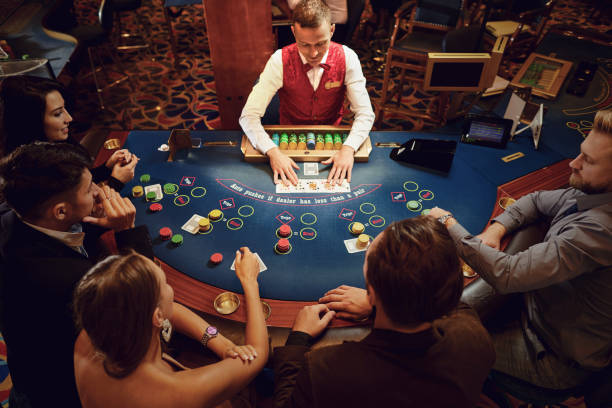
Moreover, the house edge varies from game to game, meaning that players should consider where they invest their time and money. In general, games with lower house edges, such as blackjack or certain bets in craps, might yield better long-term results for players who understand the strategies involved. This recognition of the relationship between luck and the house edge can empower players to make informed decisions, balancing their aspirations for winning with the realities of casino gaming.
Psychological Factors of Luck
The psychological aspects of luck cannot be overstated in the casino context. Cognitive biases, such as the illusion of control, can lead players to believe they have more influence over the outcomes than they actually do. For example, a player may think that their method of selecting numbers in a game of chance increases their odds of winning, despite the fact that every outcome is independent of previous results. This illusion often drives players to engage more with the game, as they seek to harness luck through their perceived techniques.
Moreover, the phenomenon known as the “gambler’s fallacy” further illustrates how psychological factors can distort a player’s understanding of luck. This fallacy occurs when individuals believe that past events can influence future outcomes, such as thinking that a number on a roulette wheel is “due” to hit because it hasn’t appeared in a while. Such misconceptions highlight the distinction between luck as a random element and the rational probabilities that govern game outcomes, leading to decisions that might not align with mathematical realities.
Additionally, players’ emotional responses to wins and losses can shape their perception of luck. A big win can lead to euphoria and a misjudgment of one’s luck, while a losing streak can induce frustration and despair. These emotional highs and lows can affect future betting behavior, pushing players to take uncharacteristic risks or retreat altogether. Understanding these psychological dynamics is crucial for both players and casinos, as they influence the overall experience and revenue generated from gambling.
The Impact of Luck on Casino Design and Marketing
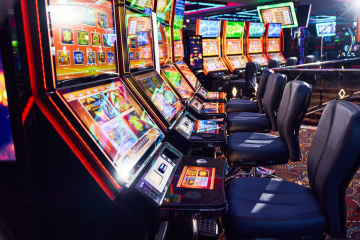
Casinos are designed with the concept of luck in mind, recognizing that it significantly influences player behavior and spending. Elements like flashing lights, engaging sounds, and free drinks are strategically implemented to create an enticing atmosphere that associates luck with the thrill of winning. This ambiance enhances the overall gambling experience, encouraging players to stay longer and engage more deeply with the games. By appealing to the players’ desire for luck, casinos increase the likelihood of generating substantial revenue.
Marketing strategies also capitalize on the allure of luck. Promotions often highlight jackpot winnings and lucky players, creating a narrative that suggests winning is achievable. These campaigns tap into players’ emotions and aspirations, making them feel as though they, too, could experience a similar stroke of luck. By framing gambling as an accessible path to fortune, casinos effectively draw in new customers while keeping existing players returning in hopes of hitting it big.
Moreover, the concept of luck extends beyond the gambling floor. Many casinos offer loyalty programs and rewards that create a sense of ongoing luck and fortune for their patrons. The idea that frequent play could lead to bigger rewards and unexpected bonuses reinforces players’ engagement and belief in their potential luck. Ultimately, the symbiotic relationship between luck, casino design, and marketing strategies underscores how crucial this concept is to the gambling industry’s success.
Exploring More about Luck and Gambling
For those interested in diving deeper into the fascinating interplay of luck and gambling, numerous resources are available that shed light on this captivating subject. Engaging with articles, books, and studies can provide insights into how luck affects not only outcomes but also the psychology and strategies of players. Understanding the broader implications of luck in gambling can enhance one’s approach to games while fostering responsible gaming practices.
Moreover, learning about the mathematics behind various games can help players make more informed decisions, enabling them to navigate the complex relationship between luck and skill. Armed with proper knowledge, players can better understand the odds and apply effective strategies, creating a more balanced gambling experience. Sharing experiences and insights with fellow enthusiasts can also enrich one’s understanding of luck in a communal context.
Ultimately, exploring the nuances of luck in casinos can lead to a more enriching and responsible gambling experience. As players engage with the thrill of chance, a well-rounded perspective of luck’s influence can help them navigate the highs and lows of the casino environment more effectively, contributing to a deeper appreciation for the games they love.